GSE in Dublin: Using AI to Stop Scams Faster
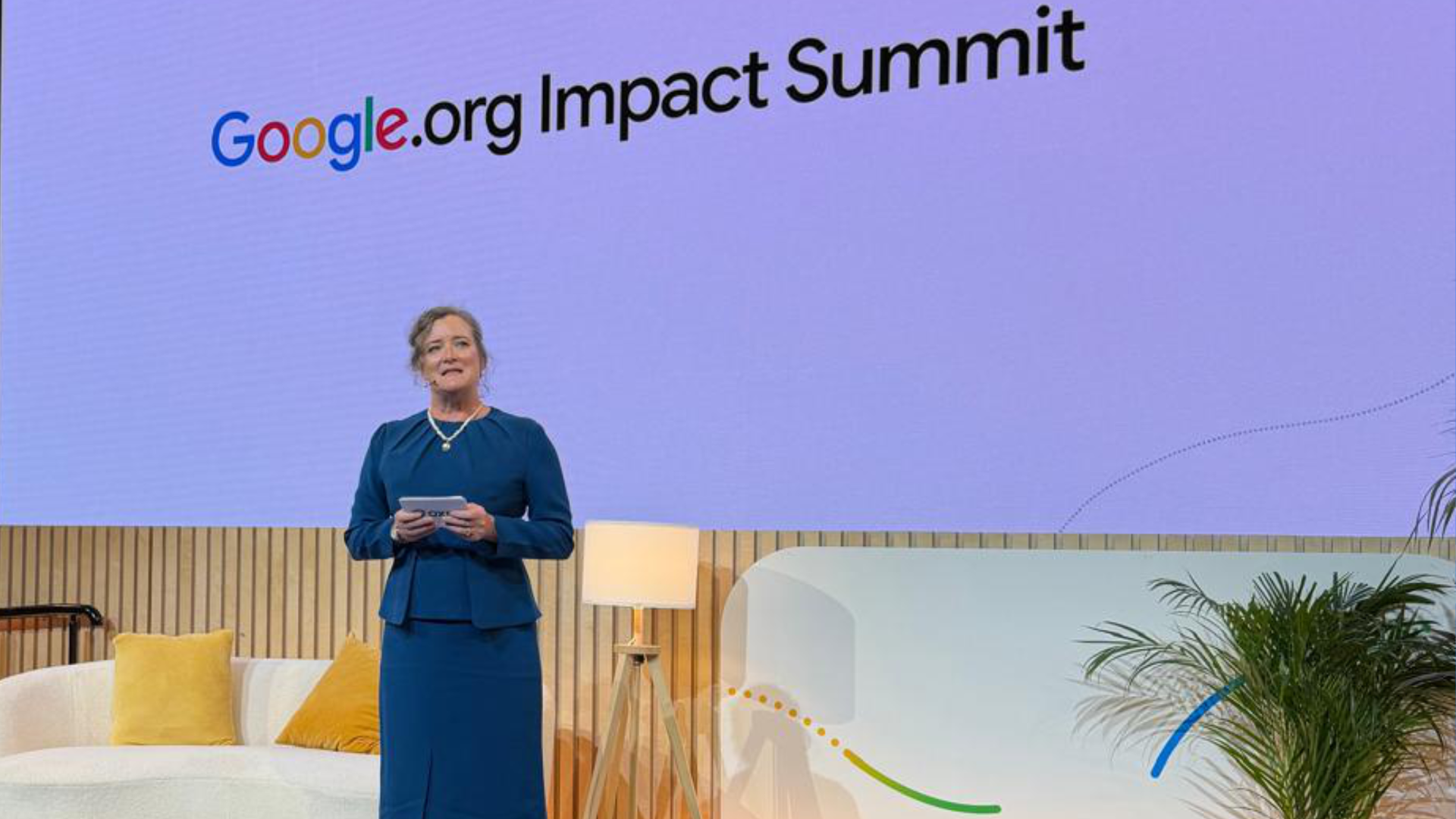
Emily Taylor, CEO of the GSE, spoke at Google.org Impact Summit, EMEA, Dublin. Emily's message was simple: scammers move fast, and we need AI to keep up.
How fast it can happen
Emily opened with the story of Jack, a made-up example to show how these scams work. Jack was a 20-year-old university student. He got a message from someone he thought was a girl at his college. The chat was friendly at first, and he was talked into sending intimate photos. Straight away, the scammer started blackmailing him. Jack paid more than $2,800. Eighteen hours after the first message, he took his own life.
The GSE receives about 2 million reports of possible scams every day. Emily asked the audience to imagine if we could spot cases like Jack's quickly enough to step in.
Why we need AI
Some researchers see using AI as a kind of cheating. Emily disagreed. Scams happen on a huge scale, and people alone can't check them fast enough.
With funding from Google.org, the research team at Oxford Information Labs used AI to study nearly 30 million website links reported to the GSE. Doing this by hand would take one person more than 100 years.
It wasn't quick to set up. The team spent hundreds of hours training and testing the AI until it agreed with human experts more often than the experts agreed with each other.
What they found
- Most people targeted by scam links are of working age, not elderly. Most of these scams are about money.
- For under-18s, more than 70% of scam links are about gambling.
- Scams cross borders. Of the websites registered in Botswana and reported to the GSE, 55% targeted people in Australia, often pretending to be Australian banks.
Spotting scams before they start
The team is now testing ways to predict scams. Lloyds Bank in the UK has seen more and more scammers pretending to be the bank. This month, the GSE's AI picked up a sudden, record jump in new websites linked to the Lloyds name.
Registering a website address is usually the first thing scammers do. A jump like this means a scam campaign is being prepared, before any texts or emails go out.
This lets the GSE and its partners:
- warn the public before scam messages reach their phones
- help companies share what they know so they can act together
- work with other countries to stop scammers sooner
What's needed now
"Jack Sullivan only had eighteen hours," Emily said. The technology works and the data is there. What's missing is for researchers, governments and funders to commit to acting on it.
If you have been affected by the issues in this article, Samaritans are available 24/7 in the UK and Ireland on 116 123.