
Scammers' Techniques: Older Adults Are Not the Most Targeted Group
One of the more surprising findings in new scam research runs against a familiar media narrative: older adults are not the group scammers target most.
The findings come from Rethinking Scam Prevention: Large-Scale, AI-powered Analysis for a Safeguarding Approach, produced by Oxford Information Labs Research (OXIL Research) with support from Google.org. The study analysed 28.6 million domain-based signals collected through the Global Signal Exchange (GSE), and found that older adults rank 11th out of all groups measured for targeted vulnerability.
Who Is Actually Targeted
Instead, working-age adults between 18 and 60 account for 58.4% of signals, by far the largest share. Scammers appear to be targeting where people are online, working, and have access to money, more than any specific ‘intrinsic vulnerability’ tied to age.
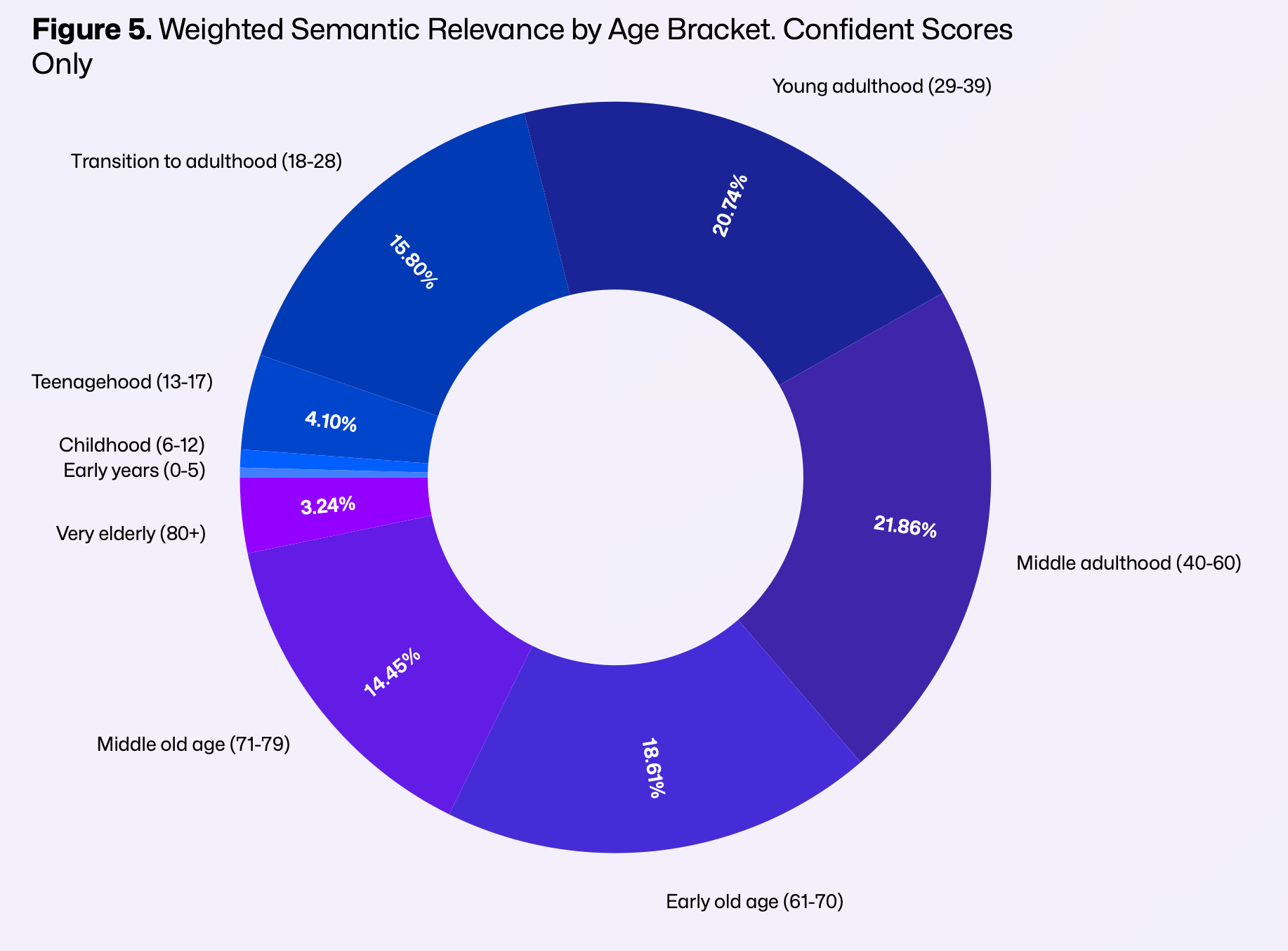
That does not mean older adults are safe. Although targeted less often, the techniques used are more malicious, and highly emotive. Scams targeting older adults use thematic lures around relief from difficulties such as chronic health problems or financial hardship.
Why This Matters
The common assumption that scams are primarily an "older person's problem" may be doing more harm than good. Stereotypes can lead to resources being weighted toward one age group while the bulk of activity, in volume terms, is happening elsewhere. It can also make younger and working-age adults less likely to recognise themselves as a target, when the data suggests they are the largest one.
A more accurate picture means widening who scam prevention efforts are aimed at, while keeping in mind that older adults face a distinct set of lures that need their own tailored response, not because they are targeted most, but because the tactics used against them are specific and consistent.
Read the full findings in the full OXIL Research report.